

Schlafprobleme während der Menstruation? 7 Tipps für bessere Nächte
Wie wirkt sich die Menstruation auf Ihren Schlaf aus – und was können Sie dagegen tun?
Schläfst du schlechter, wenn du deine Periode hast?
Du bist bei weitem nicht allein.
Viele Frauen erleben in den Tagen vor und während ihrer Periode Veränderungen ihres Schlafs. Möglicherweise haben Sie Einschlafprobleme, wachen nachts häufiger auf oder fühlen sich unausgeschlafen – selbst nach vielen Stunden im Bett.
Studien zufolge leidet über die Hälfte aller Frauen während ihrer Menstruation unter Schlafstörungen. Wenn dies Monat für Monat auftritt, kann es sich negativ auf Stimmung, Konzentration, Energieniveau und Immunsystem auswirken.
Aber warum passiert das tatsächlich?
👉 Möchten Sie mehr darüber erfahren, wie Ihr Schlaf im Laufe des Zyklus beeinflusst wird? Lesen Sie den Artikel hier.

Warum schläfst du während der Menstruation schlechter?
Lassen Sie uns einige der biologischen Gründe dafür betrachten, warum Ihr Schlaf von Ihrer Periode beeinflusst wird.
1. Abnahme des Progesterons
Progesteron hat eine beruhigende Wirkung auf den Körper. Sinkt der Progesteronspiegel vor der Menstruation, kann dies das Ein- und Durchschlafen erschweren.
2. Schmerzen und Krämpfe
Menstruationskrämpfe, Beckenverspannungen und Magenprobleme können einen vom Schlafen abhalten – oder es schwierig machen, zur Ruhe zu kommen.
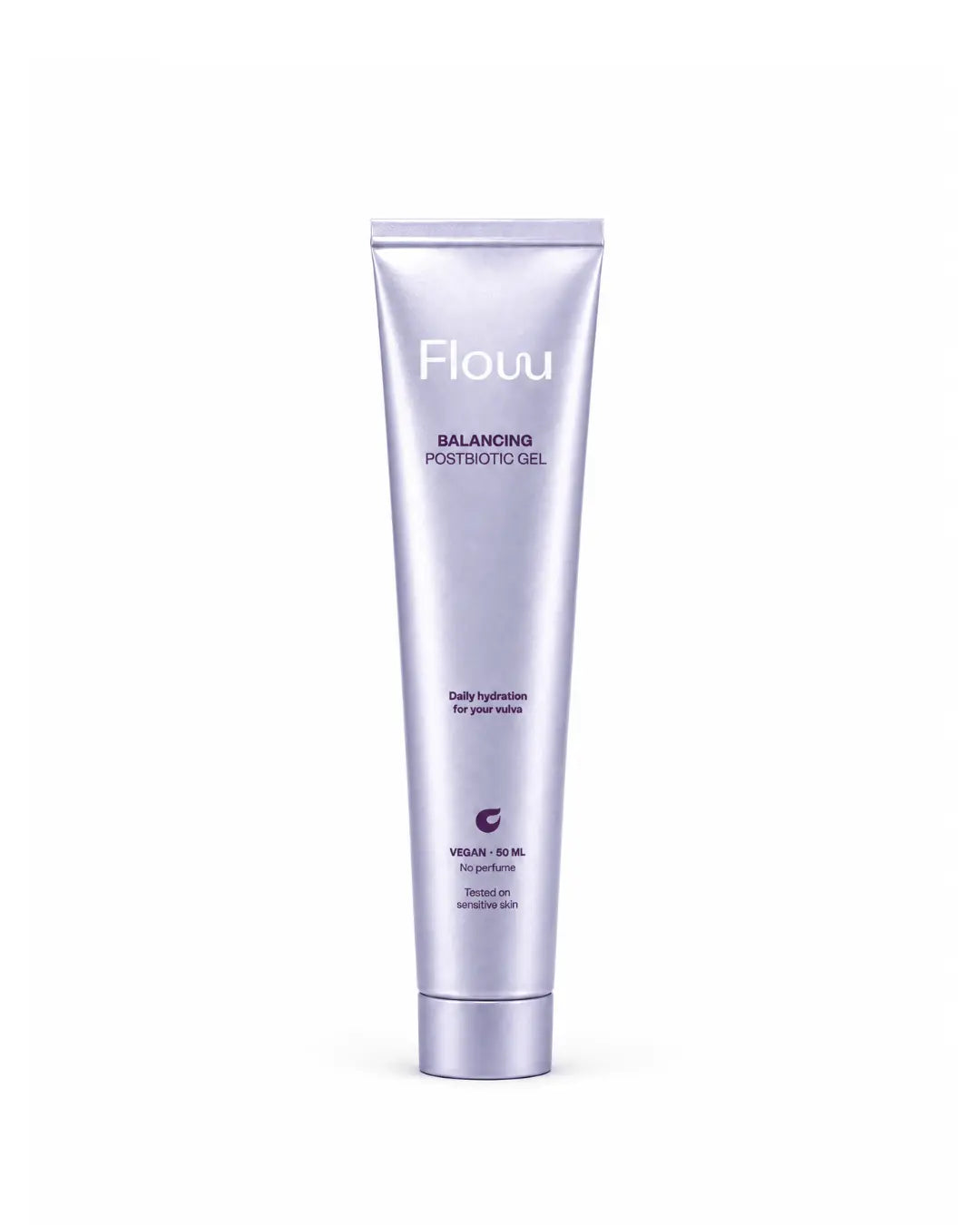
Erwägen Sie eine Bewerbung Beruhigende Creme, die reich an Magnesium ist, das für seine beruhigende Wirkung bekannt ist.Die
3. Temperaturänderungen
Während der Lutealphase steigt die Körpertemperatur leicht an und sinkt während der Menstruation wieder ab. Schon kleine Temperaturschwankungen können die Schlafqualität beeinträchtigen.
- Schließlich sollte man bei geöffnetem Fenster schlafen und die Temperatur unter 19 Grad halten.
4. Sorge vor Blutungen
Viele wachen nicht auf, weil sie verblutet sind, sondern weil der Körper wach ist.
Kurz gesagt: Es dreht sich alles um Hormone, Körper und Geist.
7 Tipps für besseren Schlaf während der Periode
Hier sind konkrete, realistische Dinge, die Sie tun können.
1. Halten Sie eine regelmäßige Schlafenszeit ein.
Regelmäßigkeit hilft dem Körper, Melatonin – das Schlafhormon – zum richtigen Zeitpunkt freizusetzen. Gehen Sie jeden Tag ungefähr zur gleichen Zeit ins Bett und stehen Sie zur gleichen Zeit auf, auch während Ihrer Periode.
2. Abends die Bildschirme ausschalten.
Blaues Licht von Handys und Computern hemmt die Melatoninproduktion. Schalten Sie Bildschirme mindestens 30–60 Minuten vor dem Schlafengehen aus. Wenn Sie „etwas im Hintergrund“ hören möchten, wählen Sie einen Podcast oder ein Hörbuch.
3. Wärme gegen Schmerzen anwenden
Eine Wärmflasche oder ein Heizkissen auf dem Bauch kann Krämpfe lindern und dem Nervensystem ein beruhigendes Signal senden.
Wir haben gemacht Ein Heizkissen aus Stoffresten, gefüllt mit Bio-Leinsamen, genäht in DänemarkMan kann es bedenkenlos in die Mikrowelle stellen und – ahhh…
4. Schlafe in Menstruationsunterwäsche
Wenn Sie mit der Angst vor Blutungen aufwachen, kann beruhigende Worte einen großen Unterschied machen.
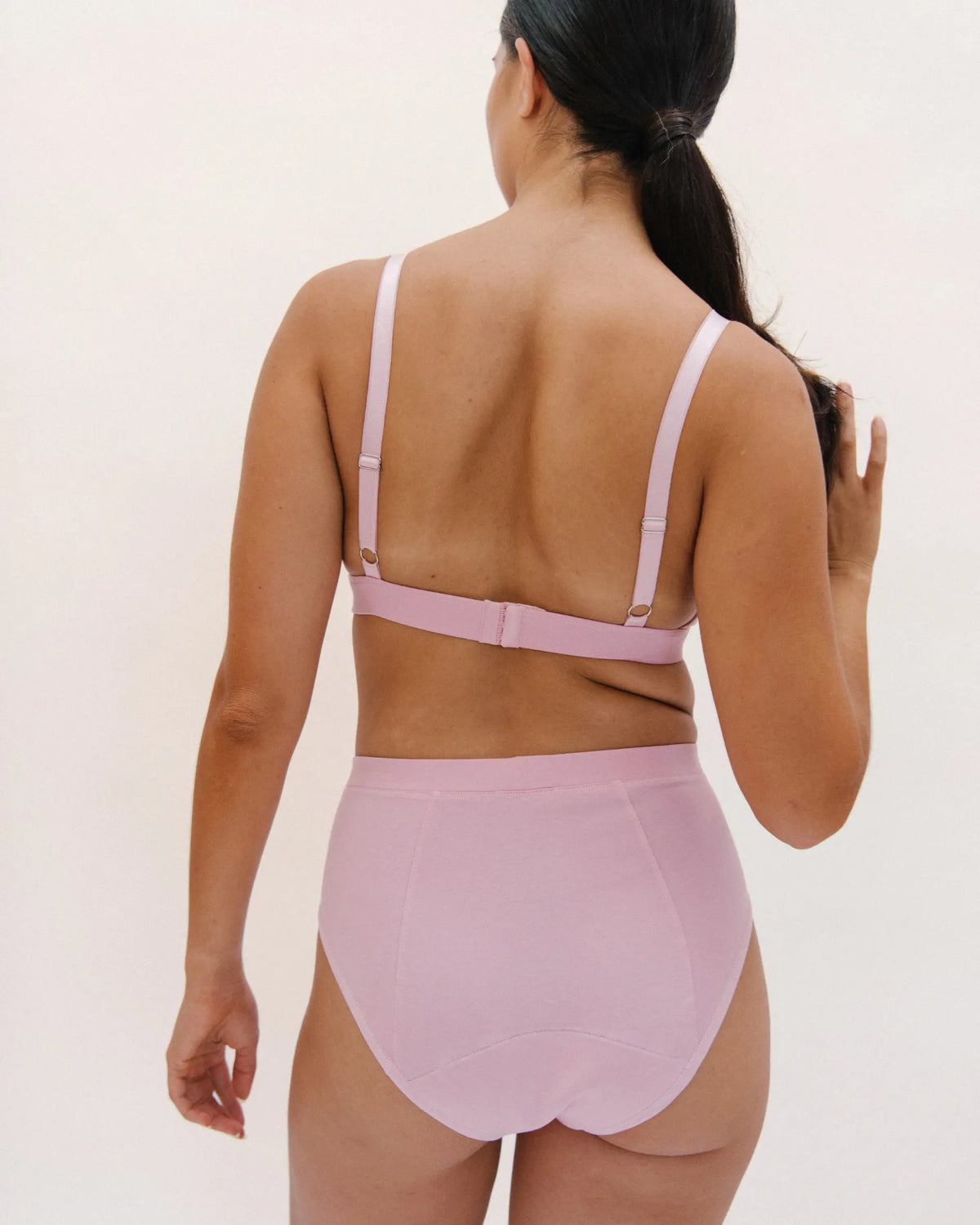
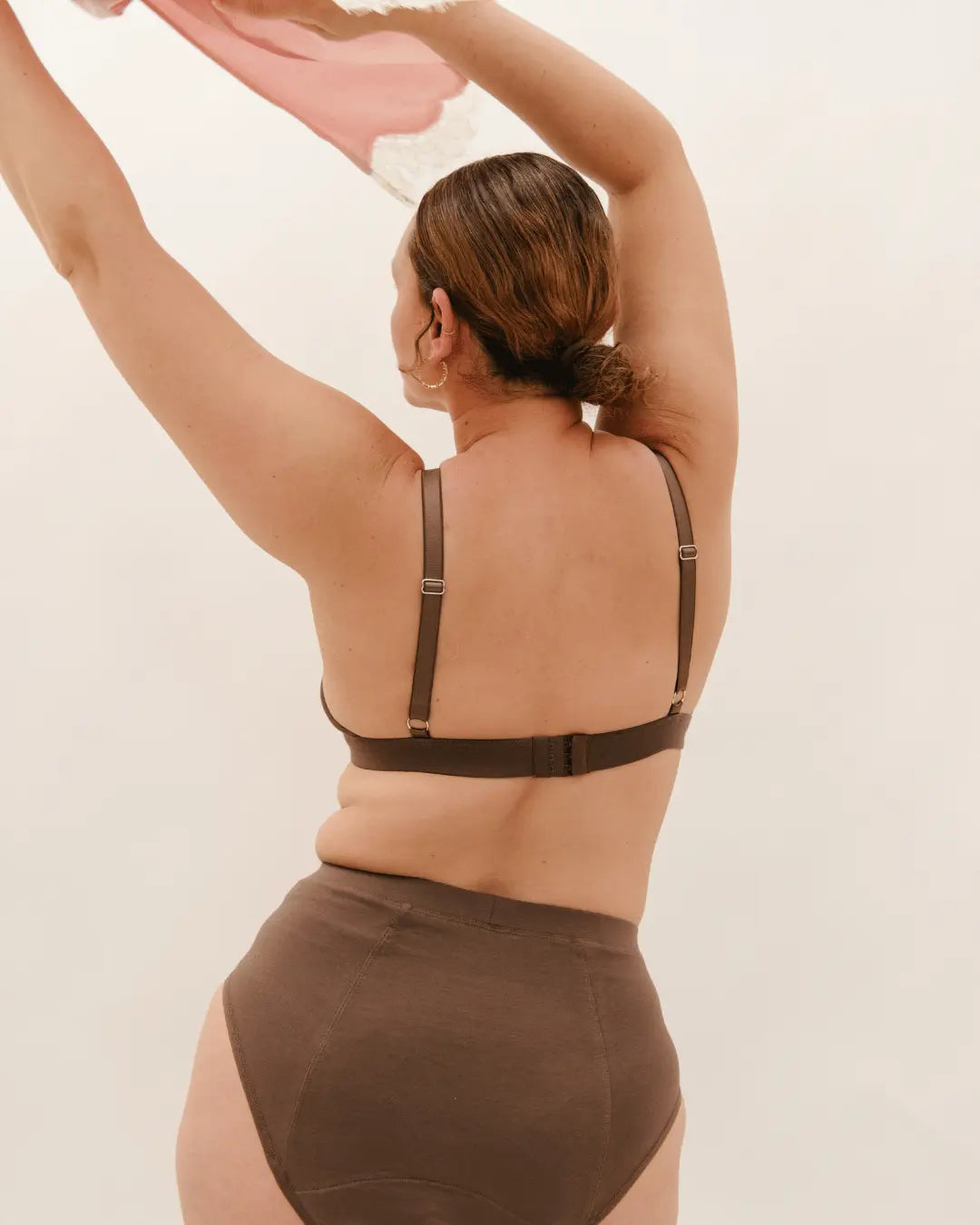
Menstruationsunterwäsche sitzt sicher, fühlt sich an wie normale Unterwäsche und minimiert nächtliche Unruhe. Für viele Frauen sind sie in besonders starken Nächten eine echte Erleichterung.
Wir empfehlen Perioden-Shorts für die NachtDa die schmalen Beinabschlüsse einen großen Unterschied machen, wenn es darum geht, dass die Höschen nachts an Ort und Stelle bleiben – sind Sie sich unsicher, ob sie das Richtige für Sie sind? Dann lesen Sie einfach die Bewertungen ⭐️⭐️⭐️⭐️⭐️
5. Schlafe auf der Seite
Wenn Sie auf dem Bauch schlafen, kann der Druck die Schmerzen verschlimmern. Eine Seitenlage – am besten mit einem Kissen zwischen den Knien – kann den Druck auf Becken und unteren Rücken lindern.
6. Sich tagsüber problemlos bewegen können.
Ein ruhiger Abendspaziergang kann Stress abbauen und dem Körper helfen, auf natürliche Weise zur Ruhe zu kommen. Wenn es Ihnen schwerfällt, zur Ruhe zu kommen, können wir Ihnen auch Bodyscans oder Atemübungen empfehlen. Zur Unterstützung empfehlen wir die kostenlose dänische App „Åben og kolk“.
7. Und… ich hatte keinen Orgasmus.
Beim Orgasmus werden Oxytocin und Endorphine freigesetzt, die schmerzlindernd und entspannend wirken. Dies kann sowohl bei Schmerzen als auch beim Einschlafen helfen.
Wann solltest du reagieren?
Wenn Sie Folgendes erleben:
-
Extreme Erschöpfung in jedem Zyklus
-
Mehrere Nächte hintereinander unter Schlaflosigkeit
-
Starke Schmerzen, die Sie wach halten
-
Oder Stimmungsschwankungen, die Ihren Alltag beeinträchtigen
Dann wäre es vielleicht eine gute Idee, mit Ihrem Arzt zu sprechen.
Aber leicht gestörter Schlaf während der Menstruation?
Das ist völlig normal.
Zusamenfassend
Hormone, Schmerzen und Temperaturschwankungen können Ihren Schlaf während Ihrer Periode beeinflussen. Mit kleinen Anpassungen – und etwas zusätzlicher Geborgenheit am Abend – können Sie Ihre Schlafqualität oft deutlich verbessern.
Und vor allem: Es ist nichts mit dir nicht in Ordnung. Dein Körper funktioniert einfach.
Schlaf gut, zzzz...
Quellen: sundhed.dk