
Oefening en menstruatieKun je trainen als je...? menstruatie
Toen ik en de andere meisjes in mijn klas begonnen te... menstruatie Op de basisschool praatten we er niet met elkaar over. Er werd niet met elkaar gepraat op het schoolplein, er was geen uitwisseling van ervaringen tussen zussen, geen zusterlijke uitwisseling met de volgende in de rij die met een ontluikende baarmoeder naar school kwam.
Behalve tijdens sportlessen.
Elke donderdag, als er een dubbele les in de gymzaal was, organiseerden de meisjes uit mijn klas zich plotseling in een gezamenlijke staking om niet naar de les te hoeven gaan. We hoefden de leraren alleen maar te vertellen dat we hadden gestaakt. menstruatie.
En het werkte elke keer.
Tot op de dag van vandaag kom ik nog steeds menstruerende vrouwen tegen die niet sporten als ze menstrueren. Sommigen omdat ze het simpelweg niet kunnen. Anderen omdat ze denken dat het meer kwaad dan goed doet om hun sportschoenen aan te trekken en hun hartslag te verhogen terwijl ze ongesteld zijn. menstruatie.
In dit artikel ontleden we de opvatting dat lichamelijke activiteit tijdens de menstruatie een slecht idee is, en geven we je concrete tips en trucs voor sporten, afgestemd op jouw menstruatiecyclus.
Spoilerwaarschuwing: Je hoeft je fitnessabonnement niet op te zeggen.
Auteur: Emma Libner, auteur, vagina-activiste en seksologe.

Het korte antwoord: Kun je trainen tijdens menstruatieOf moet je even pauze nemen?
Ja, je kunt tijdens de training trainen. menstruatieLichaamsbeweging kan daadwerkelijk helpen bij het verlichten van menstruatiekrampen, het verbeteren van de stemming en het verhogen van het energieniveau. De kunst is om de intensiteit aan te passen aan je lichaam en energieniveau.
Lichamelijke activiteit maakt endorfines vrij, die werken als natuurlijke pijnstillers van het lichaam. Dit betekent echter niet dat iedereen dit ook ervaart. menstruatie Sommigen voelen zich energiek en klaar om te trainen, terwijl anderen meer rust nodig hebben.
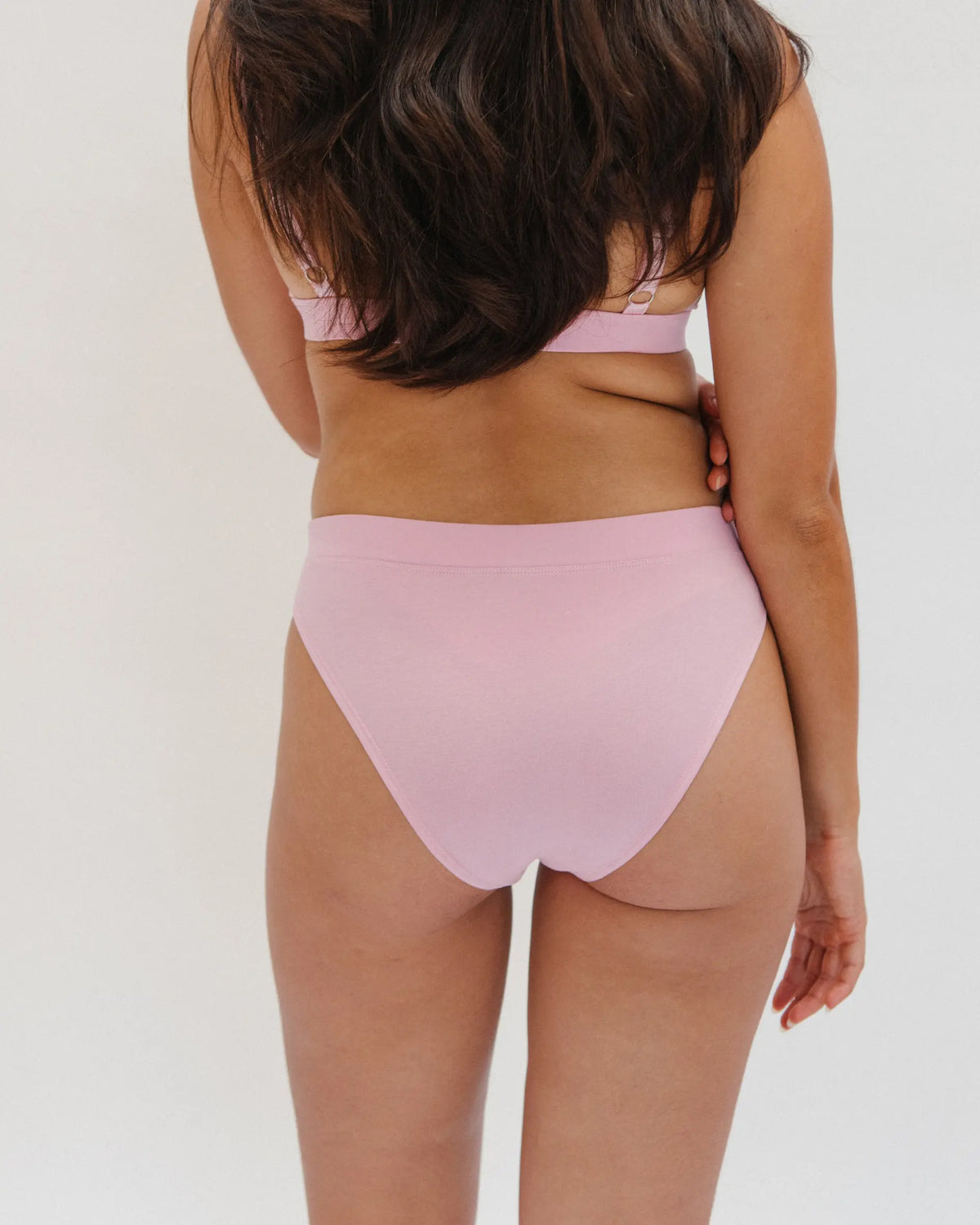
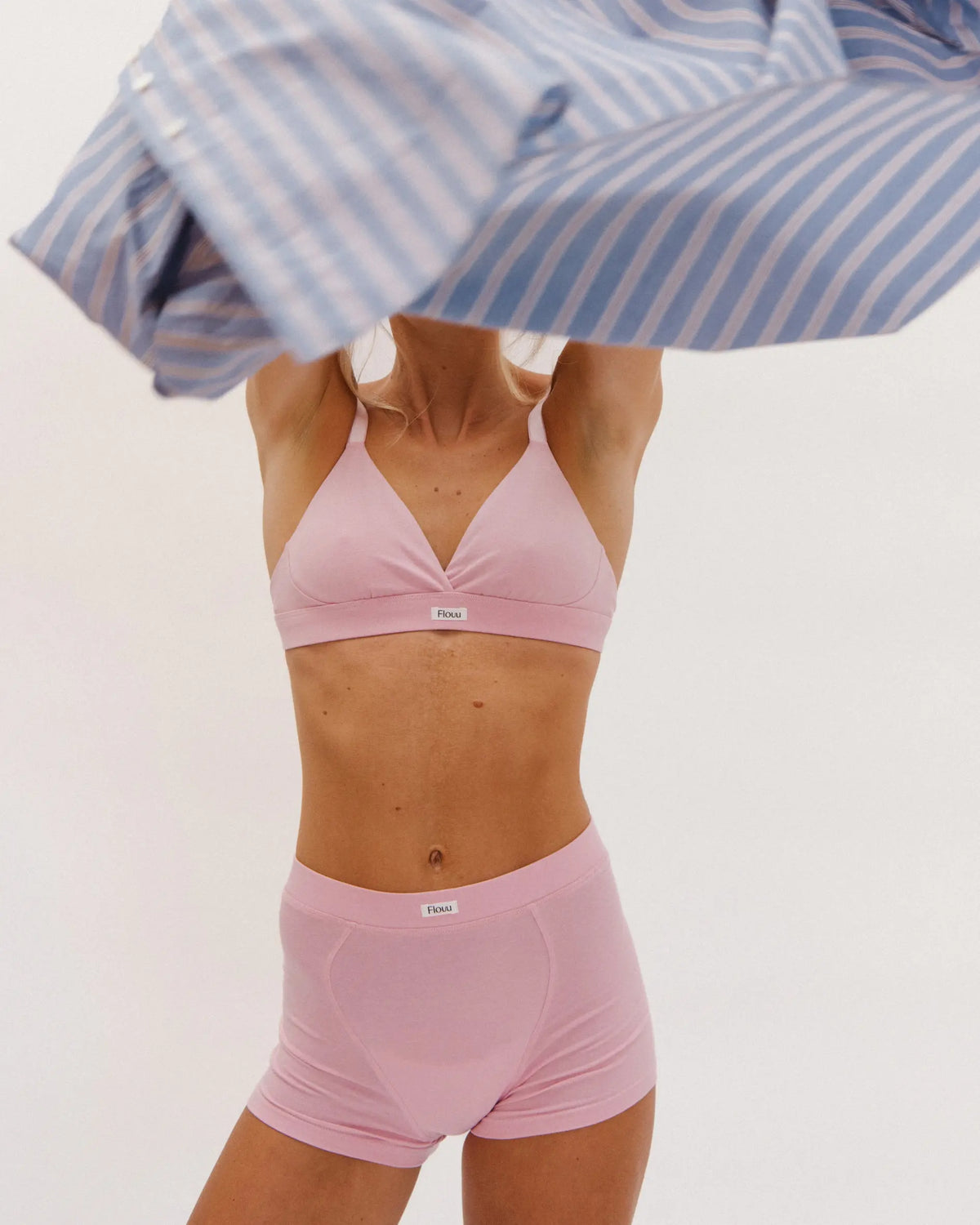
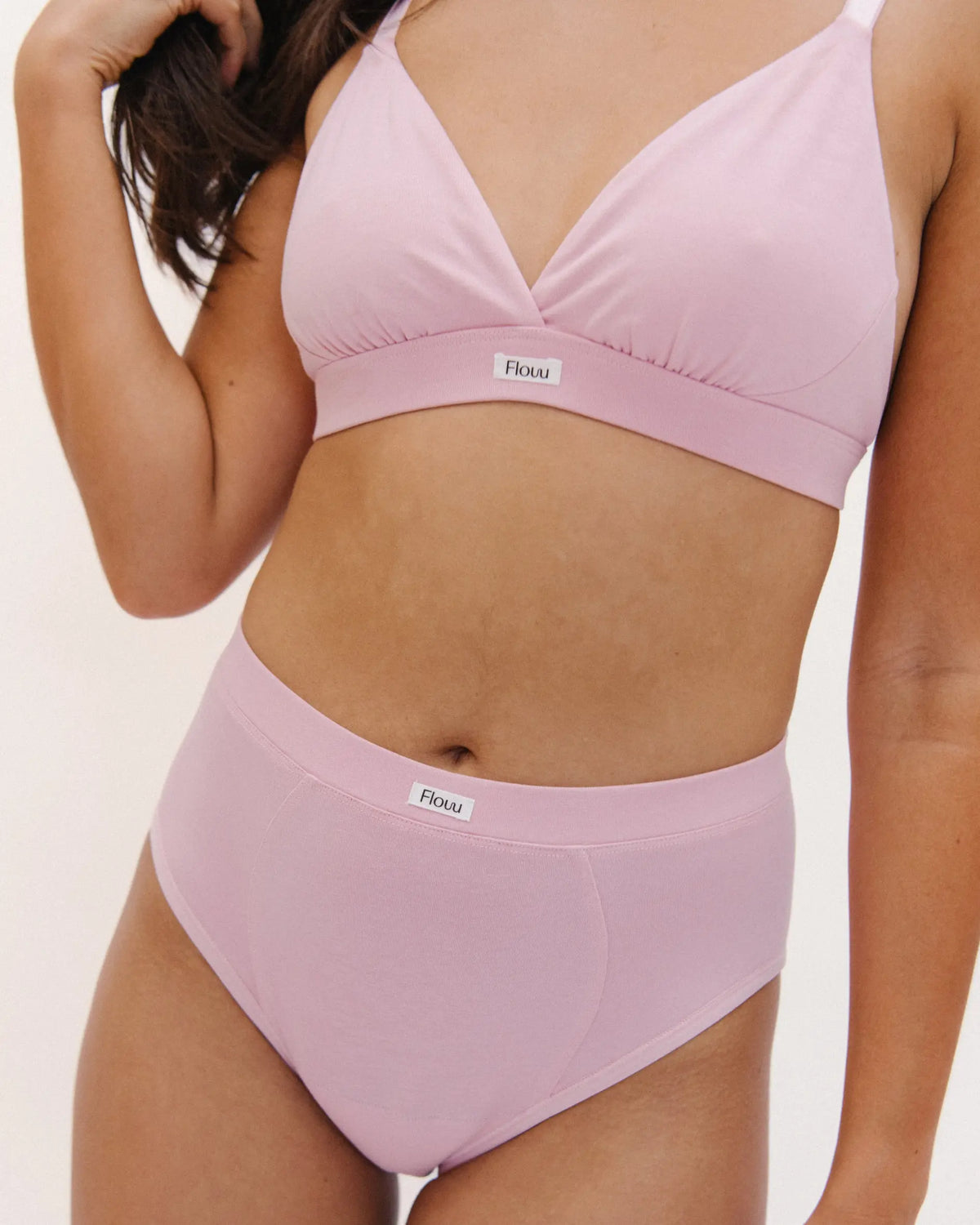
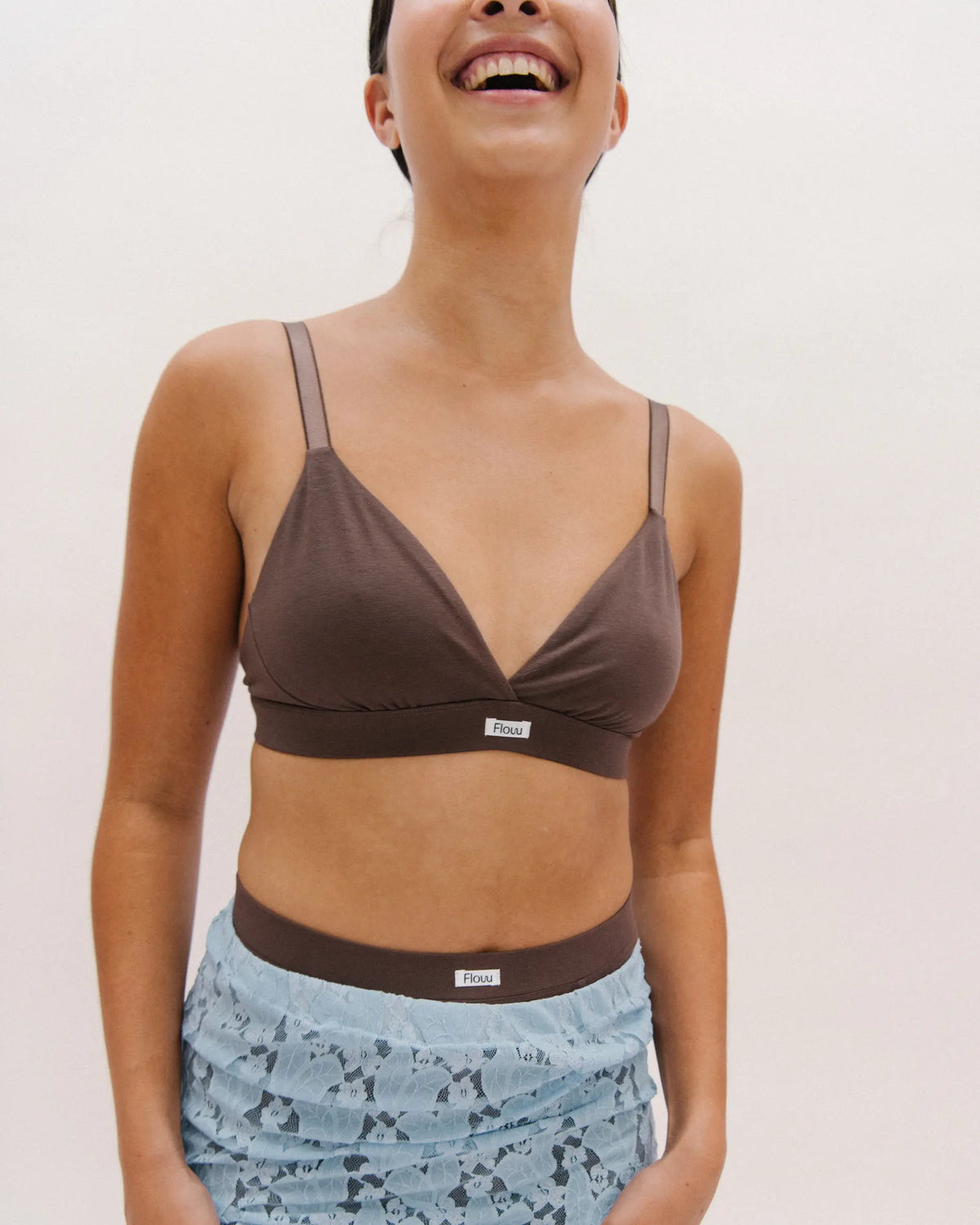
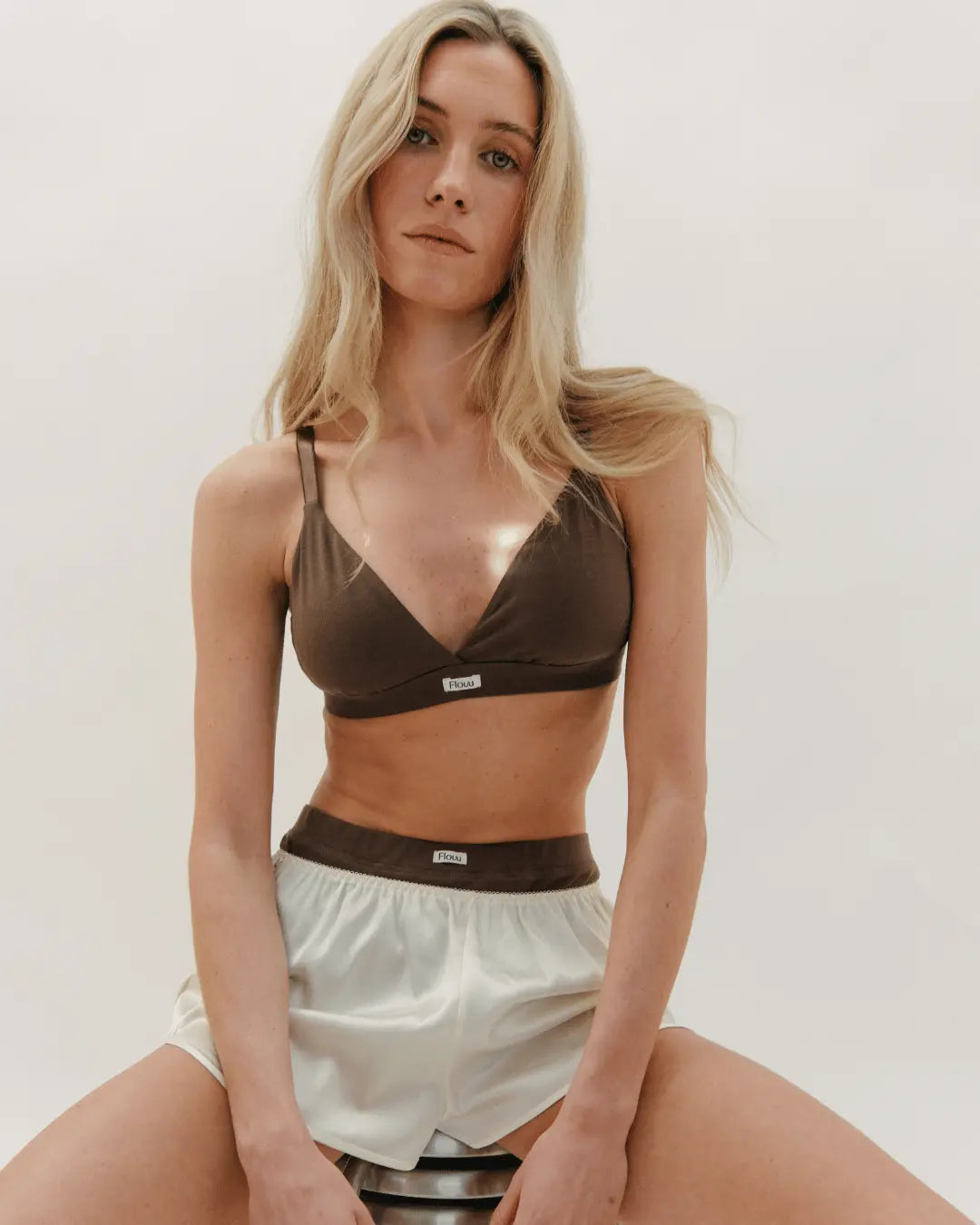
Het belangrijkste is daarom om Pas je training aan je lichaam en energieniveau aan.. En om je te herinneren menstruatieondergoed voor training.
Voordelen van lichaamsbeweging tijdens menstruatie
We kunnen beginnen met het opsommen van alle voordelen van het kweken van gewassen. menstruatie onder uw menstruatieHieronder vindt u alle positieve effecten:
-
kan menstruatiekrampen verlichten (Ontdek vijf natuurlijke manieren om menstruatiepijn te verminderen.)
-
kan de stemming verbeteren via endorfines (Weg met PMS!)
-
kan stress en spanning verminderen
-
kan de bloedsomloop verbeteren (zoals seks tijdens menstruatie)
-
kan gedurende de dag meer energie leveren
Het is echter belangrijk om te onthouden dat de ervaring van persoon tot persoon kan verschillen.
De mythe over vrouwen en lichamelijke inspanning
Rustkuren en hysterie: het verhaal achter de mythe
Het is geen geheim dat bewegen gezond is. Het is een van die dingen waar professionals uit alle disciplines het gemakkelijk over eens zijn.
Dat is echter niet altijd zo geweest.
In de 19e eeuw geloofde men bijvoorbeeld dat vrouwen die te veel energie verbruikten, eerder hysterisch zouden worden. Het idee was dat te veel lichamelijke activiteit de eierstokken kon irriteren, die immers als enige doel hadden de voortplanting.
Men geloofde dat vrouwen in dat geval zowel lichamelijk als geestelijk ziek konden worden.
Om de zogenaamde hysterie te behandelen, schreven artsen daarom medicijnen voor. rustkuren voor vrouwen uit welgestelde families.
Tijdens een standaard bedrustregime mocht de patiënt tot wel zes weken haar bed niet verlaten, behalve om haar tanden te poetsen.
Men vreesde simpelweg dat elke vorm van lichamelijke inspanning het "zwakke" vrouwenlichaam nog verder zou belasten.
Gelukkig denken artsen er tegenwoordig niet meer zo over.
Training tijdens menstruatie
Gelukkig schrijven artsen tegenwoordig geen strikte rustregimes meer voor aan vrouwen.
Toch blijft de mythe bestaan dat menstruerende vrouwen hun trainingen moeten overslaan en toch gezond moeten blijven sporten. Maar wij zijn vastbesloten om daar een einde aan te maken.
👉 Lees 5 andere mythes over menstruatie hier.
Jouw menstruatie kan je energieniveau beïnvloeden.
Het klopt dat veel mensen aan het begin van hun menstruatie minder energie hebben.
De statistieken bevestigen dit ook.
Uit een onderzoek uit 2021 onder vrouwelijke topvoetbalsters bleek het volgende:
-
87% verminderde prestaties tijdens menstruatie
-
66% ervoer een tragere reactietijd
Hoewel menstruatie invloed kan hebben op je energieniveau en prestaties, betekent dit niet dat menstruerende vrouwen niet kunnen sporten.
Denk bijvoorbeeld aan Serena Williams, die heeft gewonnen. 23 Grand Slam-titels, ook al kampt ze al jaren met migraine die verband houdt met haar menstruatie.
Het laat zien dat menstruatie En sport en cultuur gaan prima samen.
Lichaamsbeweging kan dus daadwerkelijk helpen tijdens menstruatie
Er zijn verschillende redenen waarom bewegen een goed idee kan zijn, zelfs als je bloedt. Lichamelijke activiteit kan onder andere:
-
Verhoog de aanmaak van endorfine (de natuurlijke pijnstiller van het lichaam).
-
Verbeter de bloedsomloop.
-
menstruatiekrampen verminderen
-
stemming verbeteren
-
Stress en spanning verminderen
Zelfs lichte lichaamsbeweging zoals een wandelen of rustige yoga kan een merkbaar verschil maken.
Fietstracking: een groeiende trend in de sportwereld.
Tegenwoordig passen steeds meer atleten hun training aan hun menstruatiecyclus aan.
Een bekend voorbeeld hiervan is de overwinning van het Amerikaanse nationale vrouwenvoetbalteam in 2019 op het WK. Na de overwinning werd onthuld dat de technische staf... volgde de menstruatiecyclus van elke speelster. om de training te optimaliseren.
In plaats van alle spelers op dezelfde manier te trainen, hielden ze rekening met:
-
energieniveau
-
hormonale schommelingen
-
teruggave
Het resultaat? Wereldkampioenschapsgoud – en een nieuwe manier van denken over vrouwelijke prestaties.
👉 Lees meer over de vier fasen van uw cyclus en wat ze betekenen voor uw winst.
Minigids: Hoe pas je je training aan je fietscyclus aan?
Ben je benieuwd welke soorten lichaamsbeweging het beste zijn op bepaalde momenten in je menstruatiecyclus? Lees dan de onderstaande minigids. Maar onthoud wel: Elk lichaam is anders. Er zijn geen regels - het gaat alleen om je lichaam en je gevoel voor waar je energie voor hebt.
Fase 1: Menstruatiefase (ongeveer dag 1-5)
Je hormoonspiegel is op zijn laagst en je lichaam is bezig het baarmoederslijmvlies af te stoten. Lichtere vormen van lichaamsbeweging kunnen hierbij helpen:
-
yoga
-
rek
-
pilates
-
wandelingen
Hoewel de motivatie misschien laag is, kan bewegen daadwerkelijk helpen bij het verlichten van menstruatiekrampen. De endorfines die vrijkomen bij lichamelijke activiteit kunnen ook de stemming verbeteren.
Fase 2: Folliculaire fase (ongeveer dag 6-14)
Na de menstruatie beginnen de oestrogeenwaarden te stijgen. Veel vrouwen ervaren daardoor meer energie, een betere motivatie en meer zin om te sporten. Dit kan een goed moment zijn om:
-
krachttraining
-
loop
-
fietsen
-
fitness training
Sommige onderzoeken wijzen er echter op dat spieren in de eerste helft van de cyclus kwetsbaarder kunnen zijn, dus vergeet niet om goed op te warmen.
Fase 3: Ovulatie (ongeveer dag 14-16)
Naarmate de ovulatie nadert, kunt u een extra energieboost ervaren. U kunt deze energie gebruiken voor intensievere trainingen, zoals:
-
HIIT
-
intervaltraining
-
zware krachttraining
Begin echter altijd geleidelijk en verhoog de intensiteit naarmate je lichaam er klaar voor is.
Fase 4: Luteale fase (ongeveer dag 17-28)
Aan het einde van de cyclus stijgt het progesterongehalte, waardoor veel vrouwen minder energie hebben, vermoeider raken en PMS-symptomen ervaren. In deze fase kan het prettig zijn om je te richten op rustigere vormen van lichaamsbeweging.
-
yoga
-
pilates
-
zwemmen
-
rustige wandelingen
Deze activiteiten kunnen helpen om stress en spanning in het lichaam te verminderen.
Training en menstruatieLuister naar je lichaam.
Er bestaat niet één juiste manier om te sporten tijdens de menstruatiecyclus.
Onze minigids is slechts een suggestie. Het belangrijkste advies is daarom:
Merk het op in je eigen lichaam.
Als bewegen goed voelt, ga dan bewegen.
Als het lichaam rust nodig heeft, moet het rusten.
Beweging kan erg nuttig zijn tijdens menstruatieMaar het moet altijd op de manier gebeuren die het lichaam nodig heeft. Geniet ervan!
Veelgestelde vragen: Training en menstruatie
Kun je trainen tijdens menstruatie?
Ja. Er zijn geen medische redenen om niet te sporten tijdens menstruatie.
Helpt sporten tegen menstruatiekrampen?
Voor veel mensen kan lichaamsbeweging pijn verminderen doordat het lichaam endorfines aanmaakt.
Welke training is het beste tijdens menstruatie?
Rustige activiteiten zoals yoga, wandelen of lichte krachttraining kunnen goede keuzes zijn.
Moet je het sporten vermijden tijdens menstruatie?
Nee, maar het kan een goed idee zijn om de intensiteit aan te passen aan je energieniveau.